Moving Your Own Money Shouldn't Cost You — But It Probably Does
There's something almost philosophical about paying a fee to access your own money. You earned it. You deposited it. You're not asking anyone for a favor — you just want it somewhere else. And yet, every year, American consumers hand over hundreds of millions of dollars in transfer fees, float losses, and penalty charges simply for moving funds between accounts they already own.
At WalletTW, we track how money moves — and more importantly, where it quietly disappears. What we've found around intra-account transfers is genuinely surprising, even for people who consider themselves financially savvy.
The Myth of the Free Transfer
Let's start with the assumption most people carry: transfers between your own accounts are free. That's partially true, partially a marketing convenience, and partially just wrong.
At most major banks, moving money between two accounts at the same institution — say, your Chase checking to your Chase savings — is genuinely free and near-instant. That's the scenario banks advertise. But the moment you introduce a second institution into the mix, the picture changes fast.
External ACH transfers, which is the standard method for moving money between banks or from a bank to a digital wallet, typically take one to three business days. Many banks offer an "expedited" or "same-day" version of that transfer — for a fee. At some institutions, that fee runs $10 to $25 per transaction. Do that a few times a month and you're looking at real money.
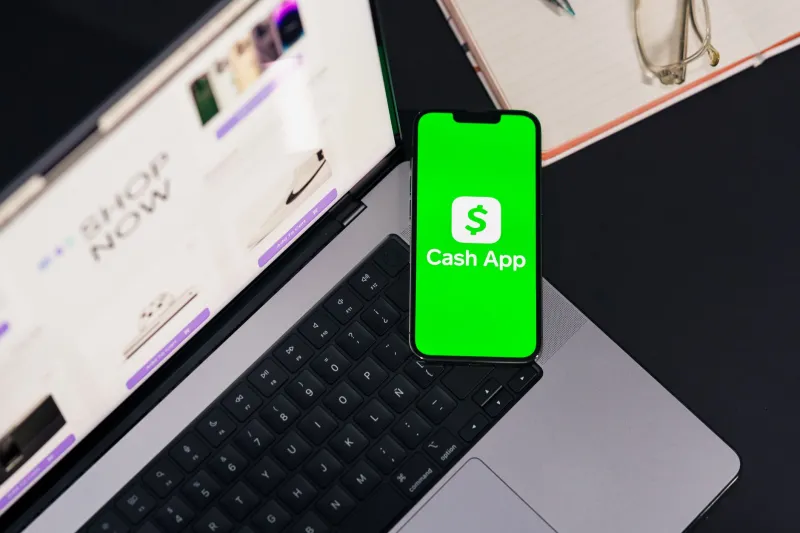
Digital wallets add another layer. Moving funds into a wallet like PayPal, Venmo, or Cash App from your bank is usually free, but slow. Moving it back out to your bank account instantly? That's where the 1.5% to 1.75% instant transfer fee kicks in. On a $500 transfer, that's $7.50 to $8.75 — not devastating, but not nothing either.
Timing Is the Hidden Variable
Here's what most people miss: the timing of a transfer can be just as costly as the fee itself.
ACH transfers don't process on weekends or federal holidays. If you move money on a Friday afternoon, it might not land until Tuesday or Wednesday. If you're managing a tight budget — timing a bill payment around a paycheck, for instance — that delay can trigger an overdraft fee. The average overdraft fee in the U.S. is around $26, according to the Consumer Financial Protection Bureau. One poorly-timed transfer just cost you more than a tank of gas.
There's also the concept of "float" — the period during which your money has left one account but hasn't arrived in another. During that window, your funds aren't earning interest anywhere. For most people, that's a rounding error. But if you're regularly moving larger sums — freelancers, small business owners, or anyone managing multiple income streams — float losses compound quietly over time.
The Multi-Wallet Problem
Modern financial life tends toward fragmentation. You might have a traditional checking account, a high-yield savings account at an online bank, a digital wallet for peer payments, and maybe a separate account for investing. Each of those serves a purpose. But every bridge between them is a potential toll booth.
Consider a realistic scenario: you keep your direct deposit in a traditional bank, your savings in a high-yield online account, and you use a digital wallet for everyday purchases. To fund your wallet for the week, you pull from your online savings. That triggers an external ACH transfer — potentially with a fee if you need it fast. If you overspend your wallet balance and need to top it up quickly, you pay an instant transfer premium. Meanwhile, that online savings account might limit you to six withdrawals per month before charging an excess transaction fee — a holdover policy that many banks still enforce even after the Fed relaxed Regulation D in 2020.
None of these fees is enormous. That's the point. They're designed to be ignorable.
Strategic Consolidation: The Smarter Play
The most effective antidote to transfer fee creep is intentional account consolidation — not eliminating the accounts that serve you, but reducing the number of bridges between them.
A few approaches worth considering:
Match your digital wallet to your primary bank. Many banks now offer their own digital wallet or payment features. If your bank's app supports tap-to-pay and peer transfers, you may not need a separate third-party wallet at all. Fewer institutions mean fewer transfer points.
Use a cash management account as your hub. Some fintechs and brokerages offer cash management accounts that combine checking features, competitive interest rates, and built-in investment access. Funneling money through a single hub account before distributing it elsewhere cuts down on external transfers significantly.
Batch your transfers. Instead of moving small amounts frequently, consolidate into one weekly or biweekly transfer. You reduce the number of fee-triggering events and give yourself better visibility into your actual cash position.
Build a buffer in each account. A lot of instant transfer fees happen because someone needs money right now. Keeping a small cushion — even $100 to $200 — in each account you actively use eliminates the urgency that drives expensive same-day transfers.
What to Actually Ask Your Bank
Most people don't know what their bank charges for external transfers because they've never asked. The fee schedule is buried in account disclosures that almost no one reads in full.
Call your bank or check your account agreement for these specific line items: external ACH transfer fees, expedited transfer fees, excess withdrawal fees on savings accounts, and any monthly maintenance fees that kick in when your balance drops during a transfer window.
The numbers might surprise you. And once you know them, you can start routing around them.
The Bottom Line
Your money should work for you — not get taxed every time you move it from one pocket to another. The financial system isn't designed to make that easy, but it's also not impossible to navigate. A little awareness about where the friction points are, and a few strategic tweaks to how you structure your accounts, can quietly save you a few hundred dollars a year.
That's not life-changing money. But it's yours, and it shouldn't be disappearing for no reason.